- Mon To Sat : 10 AM - 9 PM
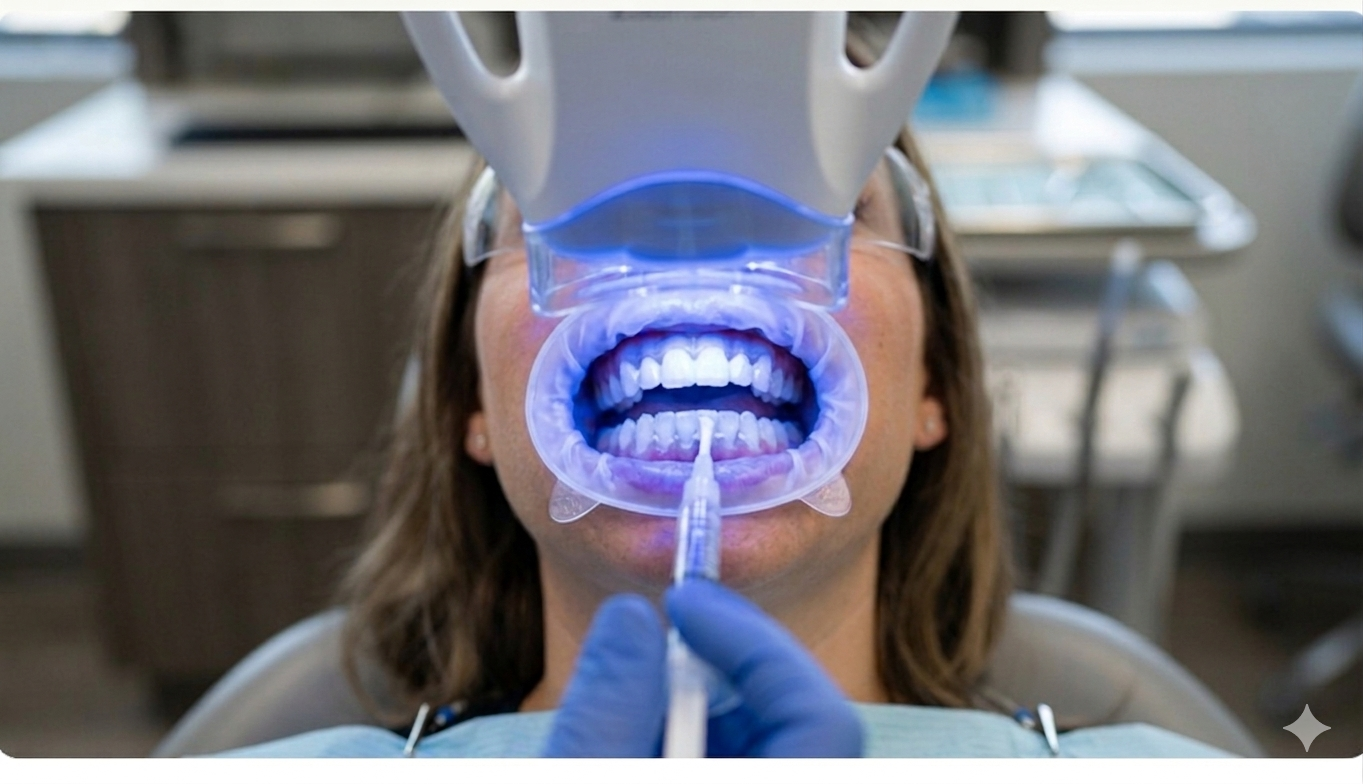
Teeth Whitening Best Choice Between Home and Clinic Methods
A bright and confident smile has become an important part of personal appearance, leading many people to explore different options for teeth whitening. From simple home remedies to advanced professional treatments, there are multiple ways to improve the color of your teeth. However, choosing the right method can be confusing, especially when both options promise effective results. Understanding how each approach works is essential before making a decision.
Home-based methods are generally affordable and easy to use, making them a popular choice for regular maintenance. On the other hand, clinic treatments are performed by dental professionals and often deliver quicker and more noticeable results. Factors like cost, safety, time, and long-term effectiveness play a key role in deciding the best option. In this blog, we will compare both methods to help you find the most suitable solution for your needs.
Teeth Whitening Easy Guide to Stains and Whitening Process
This cosmetic dental procedure is used to enhance the brightness and overall appearance of teeth by reducing stains and discoloration. Its primary purpose is to improve smile aesthetics and boost confidence in personal and professional settings. Tooth discoloration is typically categorized into two types: extrinsic stains, which form on the outer surface due to consumption of coffee, tea, tobacco, and colored foods, and intrinsic stains, which develop inside the tooth as a result of aging, certain medications, or dental trauma.
The process involves the use of bleaching agents such as hydrogen peroxide or carbamide peroxide. These agents penetrate the enamel and break down complex stain molecules into smaller, less visible particles. This chemical reaction lightens both surface and deeper stains, resulting in a more even and brighter tooth color. With proper application and care, the results can be noticeable and long-lasting.
Understanding the Causes of Tooth Discoloration
Tooth discoloration can occur due to a variety of everyday habits and natural factors that gradually affect the brightness of teeth. Regular consumption of food and beverages like tea, coffee, and wine can leave stubborn stains on the enamel because of their strong color pigments. Smoking and tobacco use are also major contributors, often causing deep yellow or brown discoloration over time. As people age, the enamel becomes thinner, revealing the darker dentin underneath, which leads to a dull and less vibrant appearance.
Poor oral hygiene, such as irregular brushing and flossing, allows plaque and stains to build up on the teeth, making discoloration more noticeable. In addition, certain medications can lead to internal staining that is difficult to remove with regular cleaning methods. In such cases, Teeth whitening can be an effective solution to reduce stains, restore brightness, and improve the overall appearance of your smile.
Teeth Whitening at Home and Professional Dental Clinic Pros and Cons
Home Whitening Methods
Popular Methods
- Whitening toothpaste is designed with mild abrasives and polishing agents that help remove surface stains caused by food, drinks, and smoking. It is ideal for daily use and maintaining overall brightness.
- Whitening strips contain low concentrations of bleaching agents like peroxide, which gradually lighten tooth color when used consistently over a few days or weeks.
- DIY remedies such as baking soda and charcoal are commonly used for basic stain removal, but results may vary and should be used with caution to avoid enamel damage.
Pros of Home Whitening
- Affordable compared to professional treatments, making it accessible for most people
- Easy to use without requiring expert supervision
- Convenient for regular use anytime at home
Cons of Home Whitening
- Slower results that require patience and consistent application
- Less effective on deep or stubborn stains
- Risk of improper use, which may cause sensitivity or uneven whitening
In-Clinic Whitening Treatments
Popular Treatments
- Laser whitening is an advanced procedure where a bleaching gel is applied and activated using a laser light, delivering quick and noticeable results in a short time.
- Professional bleaching procedures use higher concentrations of whitening agents, allowing deeper penetration into the tooth structure for more effective stain removal.
- Custom trays from dentists are specially designed to fit your teeth, ensuring even distribution of the whitening gel and better overall results.
Pros of Clinic Whitening
- Fast results that are often visible in one or two sessions
- Safe and supervised by dental professionals, reducing the risk of damage
- Highly effective for removing stubborn and deep stains
Cons of Clinic Whitening
- Higher cost compared to home-based methods
- Requires dental visits, which may not be convenient for everyone
- Possible sensitivity after treatment, depending on individual tooth condition
Teeth Whitening Choosing the Best Option for Your Needs
Choosing the right option depends on several important factors that vary from person to person. Budget plays a key role, as home methods are more affordable, while professional treatments require a higher investment. The severity of stains also matters; mild surface stains can often be managed at home, whereas deeper or stubborn discoloration usually needs professional care for better results.
Sensitivity is another important consideration, as some treatments may cause discomfort, especially for people with sensitive teeth. In such cases, milder options or guided treatments are recommended. Additionally, consulting a dentist is highly important, as they can evaluate your dental condition and suggest the safest and most effective approach. A personalized recommendation ensures better results while minimizing risks and long-term damage.
Why Professional Care Matters for Better Whitening Results ?
Professional treatments at a dental clinic offer several advantages for achieving a brighter and healthier smile. One of the key benefits is personalized treatment, where dentists assess your oral condition and customize the procedure based on your needs. Clinics also use advanced technology and high-quality bleaching agents that provide more effective and consistent results compared to at-home methods. This ensures better coverage and improved overall appearance.
Another important advantage is long-lasting results, as professional care targets both surface and deep stains more effectively. The process is also carried out under expert supervision, which minimizes the risk of sensitivity or damage to the gums and enamel. Choosing Teeth whitening at a dental clinic ensures a safer, more reliable, and efficient approach for those looking for noticeable and lasting improvements in their smile.
Teeth Whitening Tips to Maintain White Teeth After Treatment
- Avoid staining foods and beverages such as coffee, tea, red wine, and dark sauces, as they can quickly cause discoloration
- Rinse your mouth or drink water after consuming such items to reduce their impact on your teeth
- Maintain proper oral hygiene by brushing twice a day and flossing regularly to prevent plaque buildup
- Use a good quality toothpaste to help keep your teeth clean and bright
- Visit your dentist regularly for professional cleanings and routine checkups
- Follow your dentist’s advice for long-term care and maintenance
- Consider occasional touch-up treatments to maintain brightness over time
- Limit smoking and tobacco use, as they can quickly stain teeth and reduce the effectiveness of your results
Final Guide to a Brighter Smile
A brighter smile can enhance your confidence and overall appearance when you choose the right method and maintain proper care. While home options are convenient, professional treatments often provide faster and longer-lasting results. Understanding your needs is key to making the best decision.
Don’t wait to transform your smile schedule a consultation with a dental professional today and take the first step toward a healthier, brighter, and more confident smile.
FAQ’s(Frequently Asked Questions)
1) What is teeth whitening and how does it work?
It is a process used to remove stains and discoloration from the surface of the teeth.
Peroxide-based gels release oxygen that penetrates the enamel and lifts stains for a brighter appearance.
2) Is teeth whitening at home as effective as clinic treatments?
Professionally administered in-office treatments are generally more effective than home methods.
They can deliver instant and noticeable results in just one session, while home options are convenient but better suited for gradual improvement rather than strong outcomes.
3) Which option works faster home or professional whitening?
Professional in-office treatments work faster and are generally more effective than at-home methods.
They often deliver noticeable and more dramatic results in just one session compared to slower home options.
4) Are home whitening methods safe for daily use?
This procedure is generally considered safe, and there are several dentist-approved methods suitable for regular use. Over-the-counter kits can be effective at home, but it is important to follow instructions carefully to ensure safe and proper results.
5) How long do results last for home and clinic whitening?
At-home treatments may take a few weeks, and results can last 6–12 months or a few months depending on habits. Clinic whitening results often last longer—around six months to two years, and in some cases 1–3 years.
5) How long do results last for home and clinic whitening?
At-home treatments may take a few weeks, and results can last 6–12 months or a few months depending on habits. Clinic whitening results often last longer—around six months to two years, and in some cases 1–3 years.